Rebuilding Uttarakhand
Salient Features of Mid Term Shelters
- calendar_month 11,SEP 2013
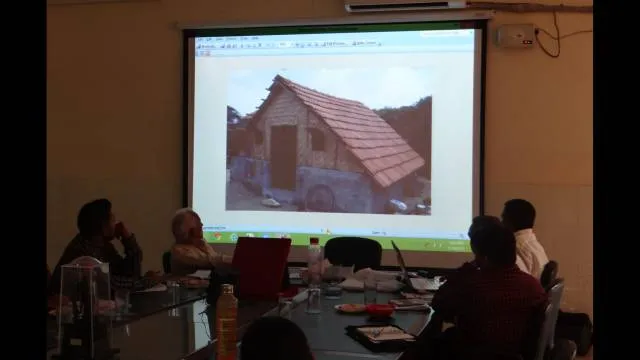
The objective of an appropriate response after a natural disaster cannot simply be the delivery of sheds for shelter. Even though the immediate needs of people are for a quick shelter – that which tents / emergency shelter spaces provide, a mid-term need is that of a waiting house wherein a family may spend upto one to one half year till such time permanent homes are available.
These shelters too should come up fairly quickly to provide the necessary relief, and, these ‘mid-term’ shelters need to be treated as short stay homes. They will be people’s homes for such a period, but these should certainly not be treated as permanent homes. Let us examine each aspect:
Speed is of essence and the pace of construction once begun should not slacken but continue till the job is done. External bottlenecks if any should be minimized in the process.
A stone balli-structure may seem to be starting off slowly but the process quickly picks up speed and continues to increase its pace as more and more local people and masons join in. It is not dependent on the logistics of external factory production.
The Mid-term shelter may be a short stay home, but it still needs to be climatically responsive so that families can bear at least one if not two winters, a summer and a monsoon. Eventually, it should be dismantled and the materials used for permanent homes.
A stone and balli midterm home will be a cosy space that families can comfortably stay for a short period. They will be warmer in winters and not heat up when the sun shines hard. They can easily put in simple things like hooks and shelves and even adjust the room sizes to suit their individual needs, it will not be as cold in winters and as hot when the sun shines overhead. In addition, they will be able to take all materials to use in walls and roofs of their permanent homes, with whatever modifications that are needed done locally in the village.
The communities need livelihoods along with homes. Any action after a natural disaster must aim to bring in work to strengthen the economic situation in the affected area, where most of the major economic activities come to near stand still for a substantial length of time.
A stone and balli mid-term shelter (with a tile or a GI roof) will enable the affected families, and local masons and carpenters to put in their labor and earn even as they build their own homes. Thus enabling some financial flows into the villages. It also permits skill development that will enable the local artisans to continue to earn their living through the building activity in their own area.
A shelter response after a disaster, must aim to build back better. It must lay a foundation for long term sustainable construction processes This means disaster resistant and sustainable more eco-friendly homes. Sustainability emerges from use of low energy, local resource based houses constructed in disaster safe manner, enabling local livelihoods and respond to local cultural aesthetics.
A stone and balli tile structure is not only able to handle the weather conditions, it will demonstrate the application of low carbon, low energy structures that may be promoted in future and thus lays ground for the permanent structures that are locally appropriate and sustainable in the long term. The processes it sets in place will promote local livelihoods and local skills and reinforce a local cultural aesthetic.
A mid-term shelter is an opportunity to provide a confidence building amongst communities. This confidence building comes with being engaged with the act of building and with familiarity of their locale.
A local material using shelter in which families are engaged in the process will help them get their confidence back and as they will be part of the process, the discontent will never arise, in fact they will themselves be able to do minor repairs if required. Longer time contentment will also be reflected in their responses. As the techniques are local, no special skills are required, minimal training during the construction of the mid-term shelters will be adequate.
Lastly but most importantly the use of stone in midterm shelter will bring to forefront the issue of the use of local materials in the construction of houses that has been for long impeded in the state by various directives and executive orders, and in the process has caused immense undue hardships to the local people, especially the poor.
The use of stone (local materials) at this juncture will help put breaks to carting in of bricks from the plains and adjoining states, thus reducing the destruction of the valuable agriculture topsoil and greatly reducing the pollution caused by burning of diesel in carting.
It would only be appropriate to mention at this point that even more appealing and visually more attractive much talked about prefabricated shelters made of non-metallic materials such as plastics have many more drawbacks when used as mid-term or long-term shelters.
The table below summarizes the salient points:
Closest to the local building system that people are familiar with, and so requires no special skills
100% salvageable and recyclable
Amenable to site-specific adjustments done at the site. Considering that majority of construction of mid-term shelters will be done in the terrace fields, the depth of which always vary along their length, the adjustability is a very important attribute.
Thermally more comfortable and, hence, more suitable for a moderately long stay
Rat resistant due to RR walls
Permits modifications as and when desired for adding conveniences
Allow greater contribution from the house owner
Significant portion of the cost creates much needed local employment
Use of masonry and carpentry will be seen as beginning of the reconstruction process, and will help rebuild peoples’ confidence for the permanent house construction at a later date.
Masonry walls top will provide an extra built-in shelf for storage
Floor raised through 6″ against the walls with plastic sheet embedded throughout will help eliminate dampness from capillary action
Graph indicating the speed of construction will be relatively flat at the onset since at the onset the work cannot start before stone for walls is collected. Beyond that it will purely depend upon the number of masons and carpenters on hand.
The stone based construction will help set the tone of reconstruction of permanent houses. In other words, this will help go green in the rehabilitation phase by eliminating the bricks being transported over long distances.
-
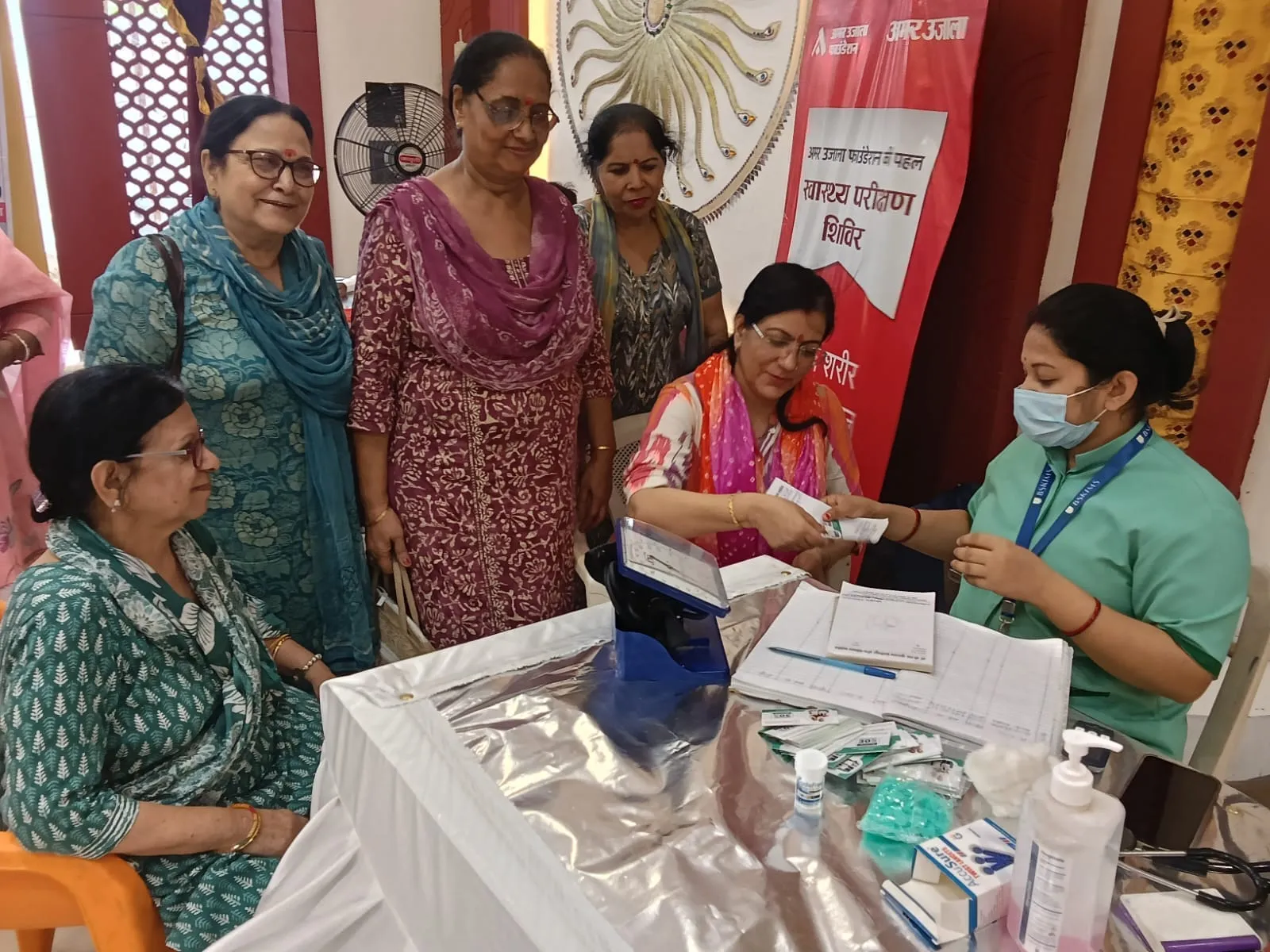 शिविर में आए जोड़ों में दर्द के रोगी
कानपुर। अमर उजाला फाउंडेशन और श्री बाबा लालजी सेवा ट्रस्ट व पीसीएसएस की ओर से निशुल्क स्वास्थ्य शिविर का आयोजन किया गया। 53 लोगों ने अपनी सेहत की जांच कराई। यहां बीपी, शुगर, एसपीओटू, वजन और आंखों की जांचें की गईं। अधिकतर रोगी जोड़ों में दर्द की समस्या लेकर आए। शिविर में रामा हॉस्पिटल के अलावा अशोक कपूर, राजेश सच्चर, राजू वालिया, पवन त्रिवेदी, रमेश मिश्रा, पंकज निषाद, इंद्रपाल सिंह सिमर, अखिल, रिजवान, डॉ. कविता आदि मौजूद रहे।
-
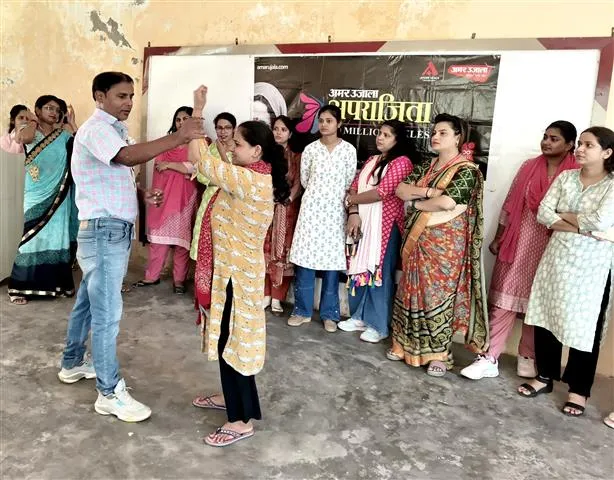 छात्राओं को सिखाए आत्मरक्षा के गुर, छेड़खानी से निपटने के लिए मार्शल आर्ट को बताया जरूरी
हाथरस। मेंडू रोड स्थित माया इंस्टीट्यूट में अमर उजाला फाउंडेशन के अपराजिता 100 मिलियन स्माइल्स के तहत एक दिवसीय आत्मरक्षा प्रशिक्षण कार्यक्रम का आयोजन किया गया। मुख्य प्रशिक्षक सिहान एमएस समुराई ने छात्राओं से कहा कि जब कोई सड़क पर परेशान करे तो घबराएं नहीं, बल्कि उसे मुंह तोड़ जवाब दें। इसके लिए खुद की रक्षा करना सीखें।
उन्होंने कहा कि छेड़खानी और घरेलू हिंसा जैसी घटनाएं लगातार सामने आ रही हैं। अपराधी अक्सर लड़कियों को सॉफ्ट टारगेट (कमजोर) मानकर निशाना बनाते हैं। ऐसे अपराधियों को मुंह तोड़ जवाब देने के लिए मार्शल आर्ट एक शानदार और बेहद असरदार कला है। इसे सीखकर महिलाएं न सिर्फ शारीरिक रूप से स्वस्थ रह सकती हैं, बल्कि अपनी रक्षा भी खुद कर सकती हैं। उन्होंने छात्राओं को पंच, किक और ब्लॉकिंग के व्यावहारिक दांव-पेच सिखाए। बताया कि अगर कोई अचानक हमला कर दे, तो बैग में मौजूद पेन या पिन भी एक हथियार बन सकता है। इन तकनीकों का नियमित अभ्यास करने की अपील की। वुमेन पावर लाइन 1090, महिला हेल्प डेस्क 181, मुख्यमंत्री हेल्पलाइन 1076 और डायल 112 के प्रयोग के बारे में जागरूक किया गया। प्रधानाचार्या डॉ. शकुंतला, श्वेता सेंगर, निर्मल, चेष्ठा दीक्षित, नेहा सिंह, कल्पना निगम, साक्षी दीक्षित, खुशी सिंह, संघमित्रा, बीनेश, अजय वीर सिंह और भरत कुमार मौजूद रहे।
-
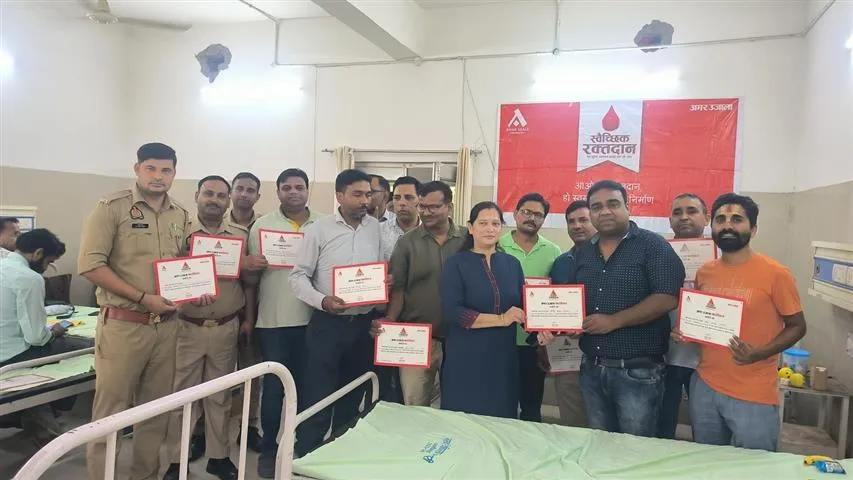 मानव सेवा के लिए आगे आए रक्तदाता, 28 ने किया रक्तदान
इगलास। अमर उजाला फाउंडेशन के बैनर तले इगलास सीएचसी में रक्तदान शिविर का आयोजन हुआ। शिविर में 28 लोगों ने रक्तदान कर लोगों को जागरूक किया। शिविर का शुभारंभ अधीक्षक डॉ. ज्योति शर्मा व सीएचसी बेसवां के अधीक्षक डॉ. मनोज चतुर्वेदी ने किया। उन्होंने कहा कि अमर उजाला फाउंडेशन की पहल सराहनीय है। कस्बे के डॉक्टर, पुलिस कर्मियों के साथ अन्य लोगों ने रक्तदान किया। रक्तदान करने वाले गौरव शर्मा, देवराज, अभिषेक, योगेंद्र नगाइच, मोहित बंसल, संतोष अग्रवाल, सोनू, प्रवीण प्रकाश गौड़, गोपाल कृष्ण, डॉ. दुष्यंत कुमार, डॉ. राहुल गुप्ता, शिवप्रकाश गौड़, लव कुमार चतुर्वेदी, चंद्र प्रकाश, राजकिशोर उपाध्याय, ललित कुमार, डॉ. बहादुर सिंह, अर्जुन, डॉ. मनोज चतुर्वेदी, विशाल उपाध्याय, विक्रमजीत, भारती सक्सेना, व्यवसायी प्रमोद अग्रवाल, तारावती अग्रवाल व अन्य थे। शिविर में रक्त संग्रह के लिए मलखान सिंह से डॉ. नूरा, अक्षय कुमार सेंगर, शुभम, प्रीति, अरविंद, नितिन व प्रीतम शामिल रहे।
-
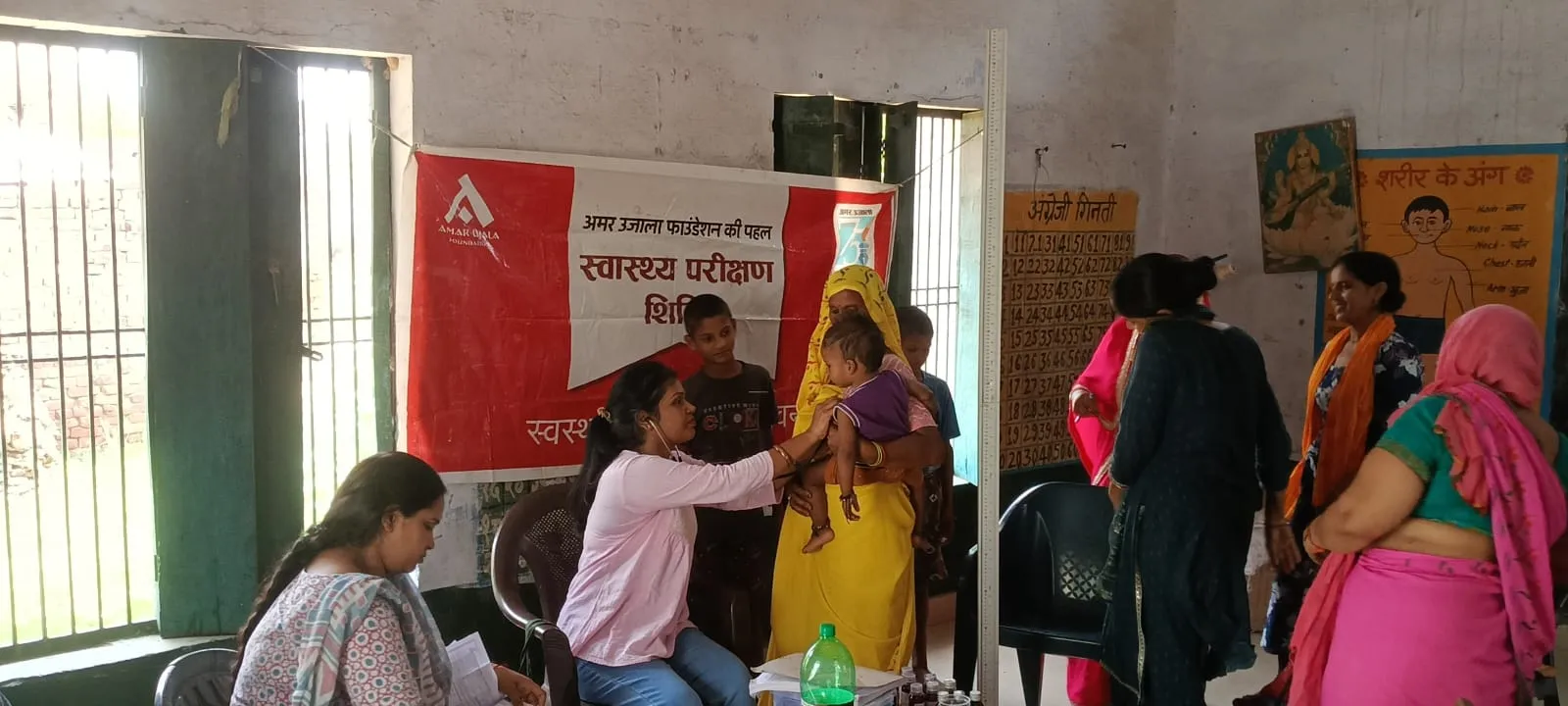 शिविर में 112 बच्चों की सेहत जांची
सहपऊ। गांव समदपुर के आंगनबाड़ी केंद्र पर अमर उजाला फाउंडेशन के बैनर तले स्वास्थ्य परीक्षण शिविर का आयोजन किया गया। जिसमें 112 बच्चों की सेहत जांची गई। बच्चों की उम्र एवं लंबाई के अनुसार वजन, आंख, नाक-कान, गला, हृदय की धड़कन एवं पल्स रेट की जांच की गई। सभी बच्चे स्वस्थ मिले। इस दौरान डॉ. अवधेश कुमार, डॉ. राजेश, डॉ. आशा मितरा, डॉ. नीलम, रजनी, आंगनबाड़ी केंद्र से मधुर, विवेक एवं सुमन मौजूद रहीं।
-
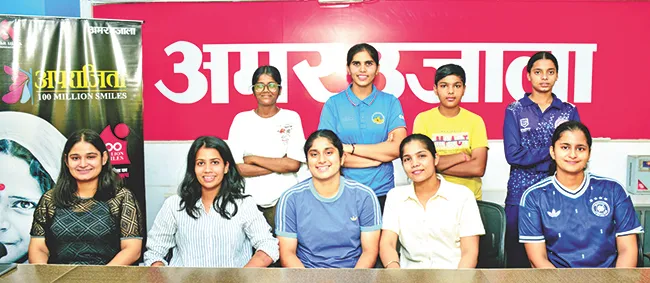 क्रिकेट में बेटियां चौके-छक्के मार रहीं, सुविधाएं अब भी क्लीन बोल्ड
चंडीगढ़। महिला क्रिकेट विश्व कप की गूंज के बीच चंडीगढ़ की युवा महिला क्रिकेटरों में भी उत्साह चरम पर है। नेट्स पर पसीना बहा रही शहर की बेटियों की आंखों में अब एक ही सपना है-टीम इंडिया की नीली जर्सी। इस सपने को नई उड़ान दी है शहर की बेटी और भारतीय टीम की तेज गेंदबाज नंदिनी शर्मा ने, जिनकी सफलता युवा क्रिकेटरों के लिए मिसाल बन गई है। क्रिकेट में बेटियां खूब चौके-छक्के मार रही हैं। हालांकि इन सपनों के साथ एक टीस भी जुड़ी है। खिलाड़ियों का कहना था कि यूटी क्रिकेट एसोसिएशन बनने के बाद सुविधाओं में सुधार जरूर हुआ है लेकिन अभी भी लड़कियों को लड़कों के बराबर अवसर और संसाधन नहीं मिल पा रहे हैं। जहां लड़कों को बेहतर स्टेडियम और आधुनिक सुविधाएं मिलती हैं, वहीं लड़कियां आज भी सीमित संसाधनों के बीच अपनी मंजिल तलाशने को मजबूर हैं। अमर उजाला अपराजिता कार्यक्रम में सेक्टर-9 में जुटीं चंडीगढ़ की वरिष्ठ और उभरती महिला क्रिकेटरों ने अपने अनुभव साझा किए। महिला क्रिकेटरों ने कहा कि अवसर और सुविधाएं बराबर मिलें तो वे साबित कर देंगी कि प्रतिभा किसी से कम नहीं है, बस उसे निखारने के लिए सही मंच की जरूरत है। सीपीएल में मंच न मिलने का मलाल युवा खिलाड़ियों ने सबसे ज्यादा निराशा चंडीगढ़ प्रीमियर लीग (सीपीएल) में महिला वर्ग को अपेक्षित मंच नहीं मिलने पर जताई। उनका कहना था कि चार टीमों वाली यह लीग महिला क्रिकेट के लिए बड़ा अवसर बन सकती थी। इससे खिलाड़ियों को प्रतिस्पर्धी मैच मिलते और नई प्रतिभाओं को पहचान बनाने का मौका मिलता। लड़कियों को सीमित विकल्पों में करना पड़ रहा अभ्यास इशाना चड्ढा और प्रियंका ने कहा कि जहां लड़कों को अभ्यास के लिए बेहतर स्टेडियम और सुविधाएं मिलती हैं, वहीं लड़कियों को सीमित विकल्पों में अभ्यास करना पड़ता है। ट्विंकल पाठक, यशिका साहनी और इशाना ने मांग की कि महिला खिलाड़ियों को भी अच्छे और समतल मैदान उपलब्ध कराए जाएं ताकि चोट का खतरा कम हो और प्रदर्शन बेहतर हो सके। उन्होंने कहा कि बेहतर इंफ्रास्ट्रक्चर से ही अगली नंदिनी शर्मा निकलेंगी। नंदिनी की सफलता युवा क्रिकेटरों के लिए प्रेरणा अंडर-15 और अंडर-17 खिलाड़ी अदिति श्योराण ने कहा कि नंदिनी शर्मा जैसी खिलाड़ियों की सफलता युवा क्रिकेटरों के लिए प्रेरणा का स्रोत है। इससे यह भरोसा बढ़ता है कि चंडीगढ़ से भी राष्ट्रीय टीम तक पहुंचा जा सकता है। वहीं अंडर-19 खिलाड़ी मानवी का कहना है कि प्रतिभा को निखारने के लिए सुविधाओं के साथ-साथ नियमित और अधिक प्रतिस्पर्धी मैचों का आयोजन भी जरूरी है। युवा क्रिकेटरों ने कहा है कि अगर उन्हें बेहतर मैदान, गुणवत्तापूर्ण प्रशिक्षण और पर्याप्त मैच मिलें तो चंडीगढ़ से भविष्य में और भी नंदिनी शर्मा निकल सकती हैं। विश्व कप के माहौल ने इन बेटियों के सपनों को नई उड़ान दी है, अब जरूरत उन सपनों को साकार करने के लिए मजबूत मंच और अवसर देने की है। सोनाक्षी और लावन्या जैसी युवा खिलाड़ियों ने भी ट्रायल और बुनियादी सुविधाओं को लेकर अपनी राय रखी।
 Related Atricles