Rebuilding Uttarakhand
Owner Driven Shelter Construction
- calendar_month 31,AUG 2013
A. Background
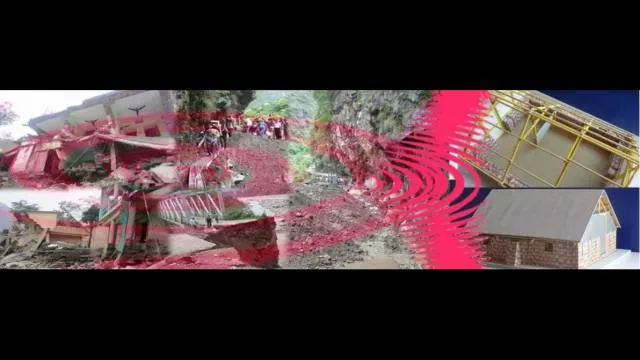
In the past big natural disasters during the past two decades, it has been observed when a large number of shelters are needed to replace those that have been severely damaged or destroyed a variety of interventions emerge to assist the affected people. These include the assistance program by government as well as non-government agencies.
At the time of writing this note (beginning of September) it is already two and half months since the main disaster struck. It is about that time when the mid-term shelters must bring some comfort to the affected people. A number of questions could arise in this connection.
How could this happen? Who would build them? What modalities could be adopted? What have been the past experiences?
In regards to the building of shelter two principle modalities have been observed where vastly different processes take place, having potential of vastly different results and responses.
B. Options of Modalities and observations
No role of house owner: An agency other than the house owner brings ready to occupy shelters starting from designing the houses to actually building them, with little or no contribution of any kind from the house owner.
Advantages:
This approach generally has advantage of the economy of scale, and possibilities of using more sophisticated technologies.
Disadvantages:
House owners learn nothing about improved construction. Houses may not be in conformance with the local lifestyle. House owners may have difficulty maintaining the houses not built by them. House owners will always have complains of some sort about the houses. Totally disregards the peoples’ ability to get their house built.
House owner driven: An agency brings assistance in the form of cash and/or kind, and the shelter building is totally managed by the house owner starting from designing it, all the way to constructing it with much, little, or no self-help.
Advantages:
People learn about the improved disaster resistant technology. They are likely to be able to take care of the house in future. They will have no complains since all decisions about the house as well as the actual construction are taken by them. People will use their common sense to achieve best economics. Satisfaction level is likely to be highest. There is ownership of the house in true sense.
Disadvantages:
The economy of scale is not available. Hence, the house may cost a little more than in the earlier case.
C. Owner Driven Shelter Construction
This approach respects peoples’ ability to build their own houses and also to manage the construction including procuring of materials as well as the required skilled and unskilled labor.
This approach also acknowledges peoples’ commitment to rebuilding their houses.
People with the help of the local masons or petty contractor take all the decisions including the designing of the house (or stick to a standard design given by the donor), as also the take decision on the materials for construction.
This approach also allows contribution by the people in every which way one can think of. People can put in their own labor, as and when required. People can also pitch in more materials, their resource permitting, to make the house bigger and of layout that suites their own needs.
The donor (including the government) agency could assist in cash and kind, or just cash.
The donor agency could distribute the materials that have to be brought in from far, such as CGI sheets, timber (bamboo where viable and acceptable), cement, steel etc. where required and as required. Local materials like stone for walling available near the site could be procured by the house owner. If timber is available locally then that too could be procured by the house owner. For such procurement, the donor could disburse some funds.
Similarly, for the labor cost also, some funds could be given to the house owner at an appropriate time/stage.
In order to implement this modality, much advance preparation is required that is different from when the owners are not driving the construction. The whole modality has to be evolved about how much or what is to be given to the house owner and when. It may also require some orientation of the house owners and training of the building artisans.
D. Construction of Mid-term Shelter through Owner Drive Approach
For this approach to succeed, the defining of each stake holder’s role and responsibility is most critical.
a. Responsibility of the technical agency:
Provide detailed design – one or more options
Provide the budget and quantity of the required materials
Provide guidance/training to artisans through demonstration site
Periodic random quality and progress monitoring
Helping evolve the modality of owner driven construction and of disbursement of materials and funds
b. Responsibility of the donor agency:
Liaison with the concerned government agency to ensure favorable disposition
Ratification of the target communities
Create a network of local agencies for local support
Keep funds ready for disbursement
Take decisions on the modality of material and funds disbursement
Evolve process of monitoring of work progress against disbursement
Monitoring of work quality
Decide on an incentive for timely completion of construction – Solar light with phone charger.
c. Responsibilities of the local agencies:
Identification of beneficiaries
Identification of land for construction
Sensitize the community in timely manner about
What type of shelters would be built
What would be responsibility of each house owner
How much funds would be given to each house owner at different stages of construction.
What materials and how much would be given to each house owner
Time limit for the construction
Incentive for adhering to time limit
Assess the local carting cost (variable from village to village) in order to ensure adequate reimbursement
Identify local skilled manpower and organize their training
Facilitate the disbursement of funds
Monitoring procurement of local materials
Facilitate the disbursement of non-local materials including coordination with beneficiaries about securing the materials at the road head
Monitoring the construction progress and quality
Maintaining regular communication with the beneficiaries – face to face or telephonically
Updating donor about the status including problems and good stories
d. Responsibilities of Beneficiaries:
Arrange for the construction site
Organize the procurement of local materials, especially stone through local persons, and get it delivered at the site
Ensure safe guarding of non-local materials delivered at the road-head
Ensure construction as per guidelines provided without violation, including when making minor modifications in design
Safely store the procured and supplied materials
Arrange for man power as needed
Get the construction executed within stipulated budget and time limit
E. Process of advance payment to the beneficiaries
Once the cost of the structure is finalized including the material and labor cost, the payment (lump-sum pre-determined amount) can be arranged in the following stages
The first installment must be released at the time of collecting and carting of local material (stone) and carting of outside materials to the site. This will vary from village to village depending upon the distance of the location of site from the road-head.
Once all the material has reached the site, the second installment for the labor cost for masons and unskilled labor must be released. This is a fixed amount at all locations.
Once the stone walls are constructed up to the required height, the third installment must be released for the labor cost of carpenters and the unskilled labor required with him. This is a fixed amount at all locations.
With the full payment already released before the installation of roof, it would be best to have an incentive of some form to make sure the beneficiary finishes his/her shelter on time.
Prepared By:
Rupal & Rajendra Desai – NCPDP
R.K.Mukerji – TARN, Dehradun
-
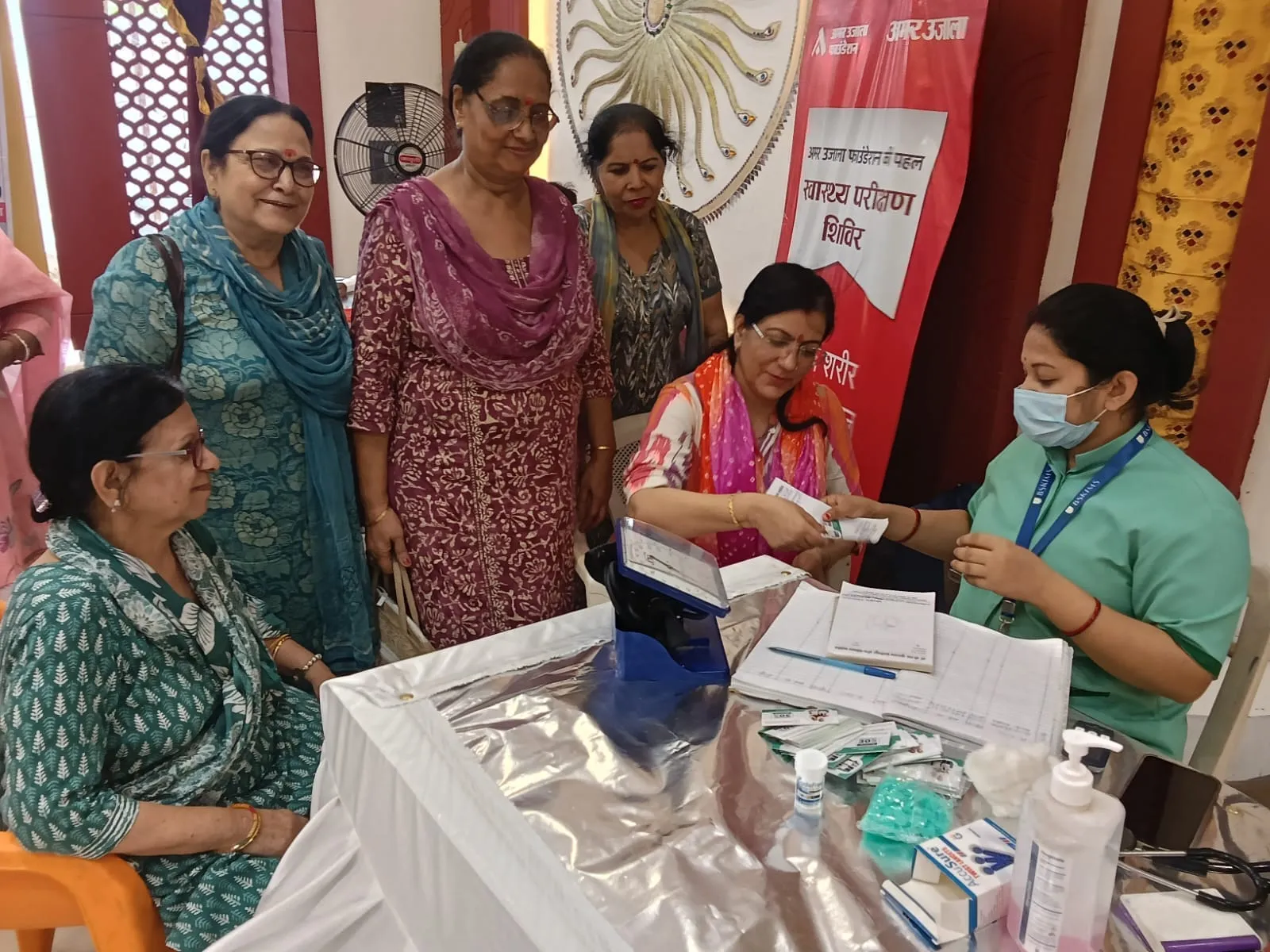 शिविर में आए जोड़ों में दर्द के रोगी
कानपुर। अमर उजाला फाउंडेशन और श्री बाबा लालजी सेवा ट्रस्ट व पीसीएसएस की ओर से निशुल्क स्वास्थ्य शिविर का आयोजन किया गया। 53 लोगों ने अपनी सेहत की जांच कराई। यहां बीपी, शुगर, एसपीओटू, वजन और आंखों की जांचें की गईं। अधिकतर रोगी जोड़ों में दर्द की समस्या लेकर आए। शिविर में रामा हॉस्पिटल के अलावा अशोक कपूर, राजेश सच्चर, राजू वालिया, पवन त्रिवेदी, रमेश मिश्रा, पंकज निषाद, इंद्रपाल सिंह सिमर, अखिल, रिजवान, डॉ. कविता आदि मौजूद रहे।
-
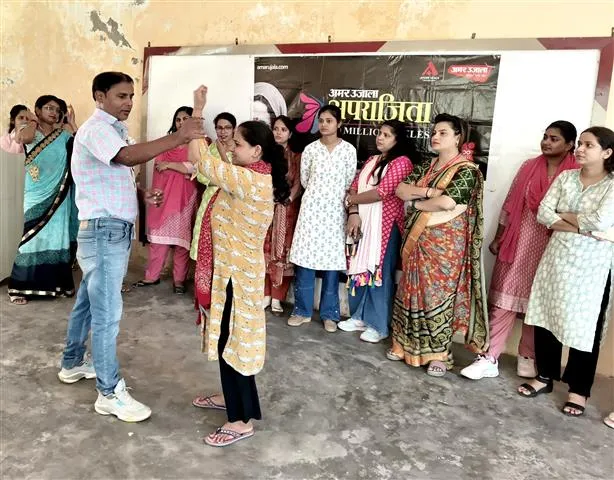 छात्राओं को सिखाए आत्मरक्षा के गुर, छेड़खानी से निपटने के लिए मार्शल आर्ट को बताया जरूरी
हाथरस। मेंडू रोड स्थित माया इंस्टीट्यूट में अमर उजाला फाउंडेशन के अपराजिता 100 मिलियन स्माइल्स के तहत एक दिवसीय आत्मरक्षा प्रशिक्षण कार्यक्रम का आयोजन किया गया। मुख्य प्रशिक्षक सिहान एमएस समुराई ने छात्राओं से कहा कि जब कोई सड़क पर परेशान करे तो घबराएं नहीं, बल्कि उसे मुंह तोड़ जवाब दें। इसके लिए खुद की रक्षा करना सीखें।
उन्होंने कहा कि छेड़खानी और घरेलू हिंसा जैसी घटनाएं लगातार सामने आ रही हैं। अपराधी अक्सर लड़कियों को सॉफ्ट टारगेट (कमजोर) मानकर निशाना बनाते हैं। ऐसे अपराधियों को मुंह तोड़ जवाब देने के लिए मार्शल आर्ट एक शानदार और बेहद असरदार कला है। इसे सीखकर महिलाएं न सिर्फ शारीरिक रूप से स्वस्थ रह सकती हैं, बल्कि अपनी रक्षा भी खुद कर सकती हैं। उन्होंने छात्राओं को पंच, किक और ब्लॉकिंग के व्यावहारिक दांव-पेच सिखाए। बताया कि अगर कोई अचानक हमला कर दे, तो बैग में मौजूद पेन या पिन भी एक हथियार बन सकता है। इन तकनीकों का नियमित अभ्यास करने की अपील की। वुमेन पावर लाइन 1090, महिला हेल्प डेस्क 181, मुख्यमंत्री हेल्पलाइन 1076 और डायल 112 के प्रयोग के बारे में जागरूक किया गया। प्रधानाचार्या डॉ. शकुंतला, श्वेता सेंगर, निर्मल, चेष्ठा दीक्षित, नेहा सिंह, कल्पना निगम, साक्षी दीक्षित, खुशी सिंह, संघमित्रा, बीनेश, अजय वीर सिंह और भरत कुमार मौजूद रहे।
-
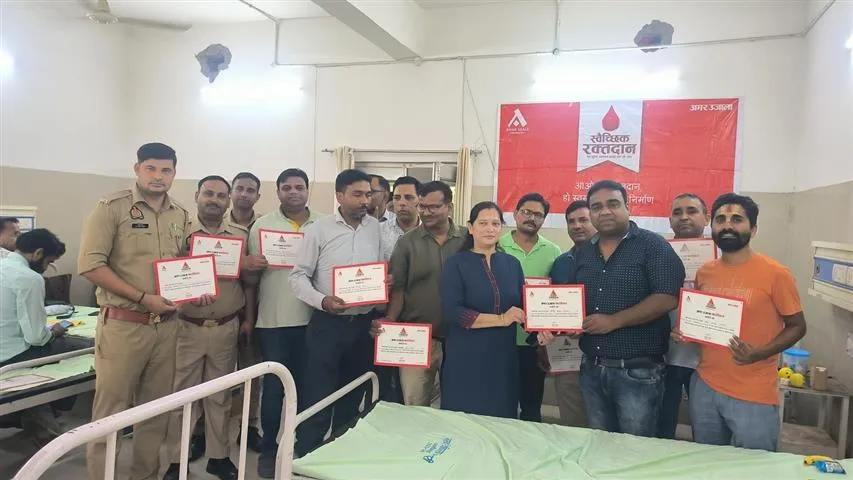 मानव सेवा के लिए आगे आए रक्तदाता, 28 ने किया रक्तदान
इगलास। अमर उजाला फाउंडेशन के बैनर तले इगलास सीएचसी में रक्तदान शिविर का आयोजन हुआ। शिविर में 28 लोगों ने रक्तदान कर लोगों को जागरूक किया। शिविर का शुभारंभ अधीक्षक डॉ. ज्योति शर्मा व सीएचसी बेसवां के अधीक्षक डॉ. मनोज चतुर्वेदी ने किया। उन्होंने कहा कि अमर उजाला फाउंडेशन की पहल सराहनीय है। कस्बे के डॉक्टर, पुलिस कर्मियों के साथ अन्य लोगों ने रक्तदान किया। रक्तदान करने वाले गौरव शर्मा, देवराज, अभिषेक, योगेंद्र नगाइच, मोहित बंसल, संतोष अग्रवाल, सोनू, प्रवीण प्रकाश गौड़, गोपाल कृष्ण, डॉ. दुष्यंत कुमार, डॉ. राहुल गुप्ता, शिवप्रकाश गौड़, लव कुमार चतुर्वेदी, चंद्र प्रकाश, राजकिशोर उपाध्याय, ललित कुमार, डॉ. बहादुर सिंह, अर्जुन, डॉ. मनोज चतुर्वेदी, विशाल उपाध्याय, विक्रमजीत, भारती सक्सेना, व्यवसायी प्रमोद अग्रवाल, तारावती अग्रवाल व अन्य थे। शिविर में रक्त संग्रह के लिए मलखान सिंह से डॉ. नूरा, अक्षय कुमार सेंगर, शुभम, प्रीति, अरविंद, नितिन व प्रीतम शामिल रहे।
-
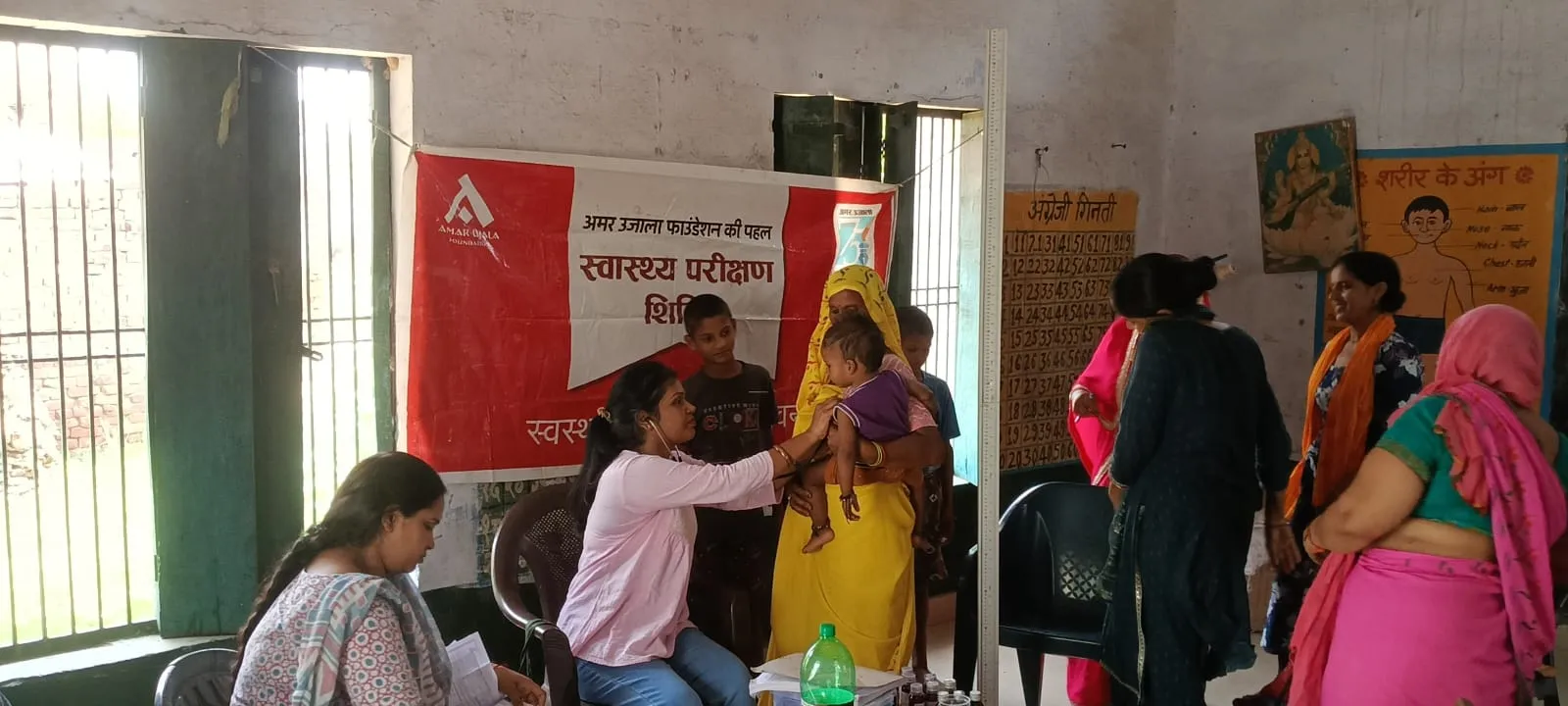 शिविर में 112 बच्चों की सेहत जांची
सहपऊ। गांव समदपुर के आंगनबाड़ी केंद्र पर अमर उजाला फाउंडेशन के बैनर तले स्वास्थ्य परीक्षण शिविर का आयोजन किया गया। जिसमें 112 बच्चों की सेहत जांची गई। बच्चों की उम्र एवं लंबाई के अनुसार वजन, आंख, नाक-कान, गला, हृदय की धड़कन एवं पल्स रेट की जांच की गई। सभी बच्चे स्वस्थ मिले। इस दौरान डॉ. अवधेश कुमार, डॉ. राजेश, डॉ. आशा मितरा, डॉ. नीलम, रजनी, आंगनबाड़ी केंद्र से मधुर, विवेक एवं सुमन मौजूद रहीं।
-
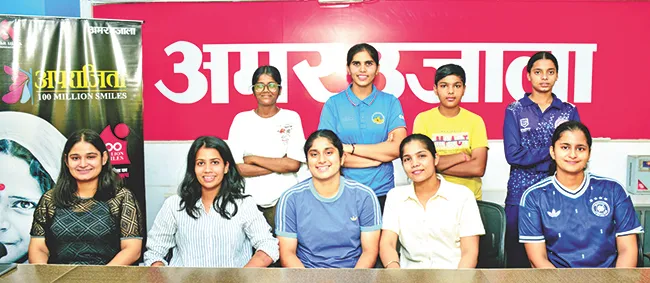 क्रिकेट में बेटियां चौके-छक्के मार रहीं, सुविधाएं अब भी क्लीन बोल्ड
चंडीगढ़। महिला क्रिकेट विश्व कप की गूंज के बीच चंडीगढ़ की युवा महिला क्रिकेटरों में भी उत्साह चरम पर है। नेट्स पर पसीना बहा रही शहर की बेटियों की आंखों में अब एक ही सपना है-टीम इंडिया की नीली जर्सी। इस सपने को नई उड़ान दी है शहर की बेटी और भारतीय टीम की तेज गेंदबाज नंदिनी शर्मा ने, जिनकी सफलता युवा क्रिकेटरों के लिए मिसाल बन गई है। क्रिकेट में बेटियां खूब चौके-छक्के मार रही हैं। हालांकि इन सपनों के साथ एक टीस भी जुड़ी है। खिलाड़ियों का कहना था कि यूटी क्रिकेट एसोसिएशन बनने के बाद सुविधाओं में सुधार जरूर हुआ है लेकिन अभी भी लड़कियों को लड़कों के बराबर अवसर और संसाधन नहीं मिल पा रहे हैं। जहां लड़कों को बेहतर स्टेडियम और आधुनिक सुविधाएं मिलती हैं, वहीं लड़कियां आज भी सीमित संसाधनों के बीच अपनी मंजिल तलाशने को मजबूर हैं। अमर उजाला अपराजिता कार्यक्रम में सेक्टर-9 में जुटीं चंडीगढ़ की वरिष्ठ और उभरती महिला क्रिकेटरों ने अपने अनुभव साझा किए। महिला क्रिकेटरों ने कहा कि अवसर और सुविधाएं बराबर मिलें तो वे साबित कर देंगी कि प्रतिभा किसी से कम नहीं है, बस उसे निखारने के लिए सही मंच की जरूरत है। सीपीएल में मंच न मिलने का मलाल युवा खिलाड़ियों ने सबसे ज्यादा निराशा चंडीगढ़ प्रीमियर लीग (सीपीएल) में महिला वर्ग को अपेक्षित मंच नहीं मिलने पर जताई। उनका कहना था कि चार टीमों वाली यह लीग महिला क्रिकेट के लिए बड़ा अवसर बन सकती थी। इससे खिलाड़ियों को प्रतिस्पर्धी मैच मिलते और नई प्रतिभाओं को पहचान बनाने का मौका मिलता। लड़कियों को सीमित विकल्पों में करना पड़ रहा अभ्यास इशाना चड्ढा और प्रियंका ने कहा कि जहां लड़कों को अभ्यास के लिए बेहतर स्टेडियम और सुविधाएं मिलती हैं, वहीं लड़कियों को सीमित विकल्पों में अभ्यास करना पड़ता है। ट्विंकल पाठक, यशिका साहनी और इशाना ने मांग की कि महिला खिलाड़ियों को भी अच्छे और समतल मैदान उपलब्ध कराए जाएं ताकि चोट का खतरा कम हो और प्रदर्शन बेहतर हो सके। उन्होंने कहा कि बेहतर इंफ्रास्ट्रक्चर से ही अगली नंदिनी शर्मा निकलेंगी। नंदिनी की सफलता युवा क्रिकेटरों के लिए प्रेरणा अंडर-15 और अंडर-17 खिलाड़ी अदिति श्योराण ने कहा कि नंदिनी शर्मा जैसी खिलाड़ियों की सफलता युवा क्रिकेटरों के लिए प्रेरणा का स्रोत है। इससे यह भरोसा बढ़ता है कि चंडीगढ़ से भी राष्ट्रीय टीम तक पहुंचा जा सकता है। वहीं अंडर-19 खिलाड़ी मानवी का कहना है कि प्रतिभा को निखारने के लिए सुविधाओं के साथ-साथ नियमित और अधिक प्रतिस्पर्धी मैचों का आयोजन भी जरूरी है। युवा क्रिकेटरों ने कहा है कि अगर उन्हें बेहतर मैदान, गुणवत्तापूर्ण प्रशिक्षण और पर्याप्त मैच मिलें तो चंडीगढ़ से भविष्य में और भी नंदिनी शर्मा निकल सकती हैं। विश्व कप के माहौल ने इन बेटियों के सपनों को नई उड़ान दी है, अब जरूरत उन सपनों को साकार करने के लिए मजबूत मंच और अवसर देने की है। सोनाक्षी और लावन्या जैसी युवा खिलाड़ियों ने भी ट्रायल और बुनियादी सुविधाओं को लेकर अपनी राय रखी।
 Related Atricles